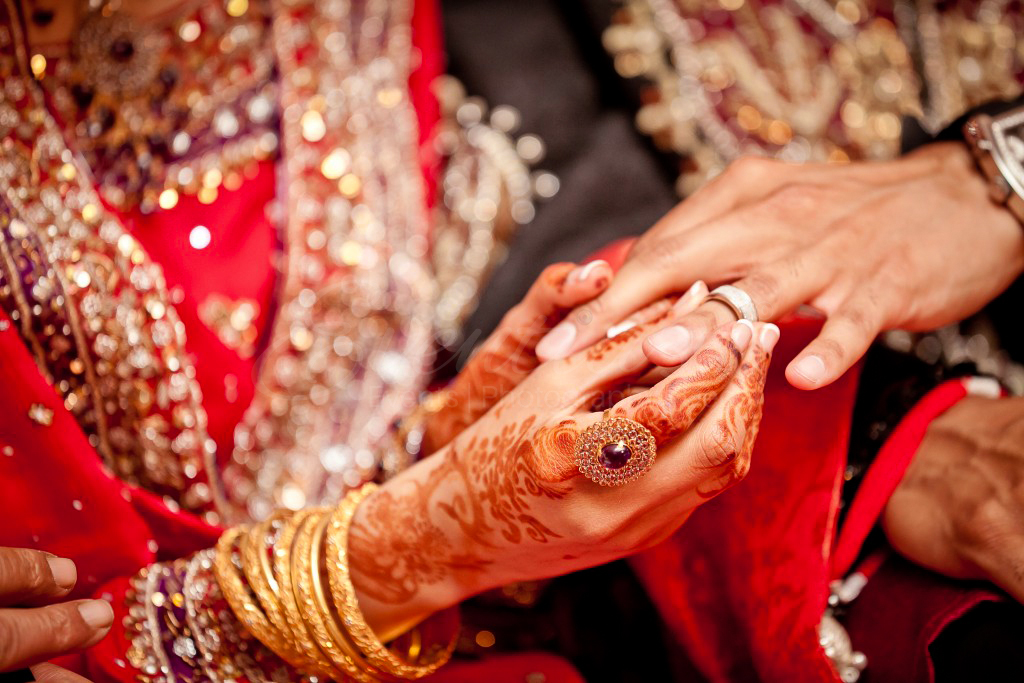
Wedding traditional rituals and customs are symbolic actions and practices that are carried out during a wedding ceremony. These rituals and customs are often deeply rooted in cultural or religious traditions and have been passed down through generations. They are designed to symbolize the commitment of the couple to each other, the joining of two families, and to bless the union of the couple with good fortune and happiness.
Wedding traditional rituals and customs can vary greatly depending on the culture, religion, and country in which the wedding is taking place. For example, in Hindu weddings, the bride and groom exchange garlands, and the groom places sindoor (vermilion powder) on the bride’s forehead, while in Christian weddings, the bride and groom exchange rings and say their vows in front of a priest.
Some common wedding traditional rituals and customs include the exchange of rings, the lighting of a unity candle, the signing of a marriage contract or ketubah, the breaking of a glass, and the throwing of rice or confetti. Many cultures also have unique customs, such as the Chinese tea ceremony, the Jewish chuppah, and the Indian haldi ceremony.
The purpose of these traditional rituals and customs is to create a meaningful and memorable wedding ceremony that celebrates the couple’s love and commitment to each other. They also serve as a way to honor the couple’s families and cultural heritage. By incorporating these rituals and customs into the wedding ceremony, couples can add depth and richness to their special day and create a unique and personal wedding experience.
A Barat is a significant event in a traditional Pakistani wedding. It is the day when the groom and his family arrive at the wedding venue to marry the bride. A Barat involves several rituals and customs that are steeped in tradition and symbolism. In this essay, we will break down the traditional Barat rituals and customs.
The Arrival of the Groom: The Barat event starts with the arrival of the groom and his family at the wedding venue. The groom typically arrives on a decorated horse, and his family members dance and celebrate his arrival.
Mangni: The engagement ceremony where the couple officially commits to getting married. It is usually a small ceremony where the couple exchange rings and sweets with each other’s families. The event marks the beginning of the wedding preparations.
Dholki: A pre-wedding ceremony where female family members sing and dance to traditional songs. It is an opportunity for the bride’s family to welcome the groom’s family and celebrate the upcoming wedding. The bride and groom’s families may also exchange gifts during the ceremony.
Mehndi: A pre-wedding ceremony where the bride and female family members get intricate henna designs on their hands and feet. Mehndi is a beautiful and important ceremony that signifies the bride’s transition to becoming a wife. It is also an opportunity for the bride and her female family members to bond and celebrate together.
Baraat: The groom’s wedding procession, which includes the groom, his family and friends, and a decorated car or horse. The Baraat is an important and exciting event where the groom arrives at the wedding venue to marry the bride. The groom’s family may also bring gifts for the bride and her family.
Milni: A formal introduction ceremony between the two families. The father of the bride and the father of the groom exchange garlands and the families formally meet each other. It is a sign of respect and goodwill between the two families.
Nikah: The wedding ceremony where the couple officially becomes married. It is a religious ceremony that involves recitation of the Quran and exchange of vows between the bride and groom. The couple’s families and witnesses are also present during the Nikah ceremony.
Doodh Pilai: In this custom, the groom’s sisters feed the bride a glass of milk and mischievously add some sugar or salt.
Rukhsati: The bride’s farewell from her family and departure from her home. It is an emotional moment for both the bride and her family. The groom’s family usually takes the bride to their home after the Rukhsati ceremony.
Valima: The reception party hosted by the groom’s family after the wedding. It is an opportunity for the couple to celebrate their marriage with their friends and family. The Valima ceremony is usually less formal than the Baraat ceremony.
Joota Chupai: A fun and playful tradition where the groom’s shoes are hidden by the bride’s female family members. The groom must pay a ransom to get his shoes back. It is a light-hearted tradition that adds to the fun and excitement of the wedding.
Haldi: A pre-wedding ceremony where a paste made of turmeric, sandalwood, and other ingredients is applied to the bride and groom’s body. The Haldi ceremony is believed to ward off evil spirits and bring good luck to the couple.
Sehra Bandi: A ceremony where the groom’s head is covered with a veil called the Sehra. The Sehra is usually made of flowers and is a symbol of the groom’s dignity and prestige.
Dua-e-Baarakat: A prayer ceremony where the couple’s families pray for the couple’s prosperity and happiness. It is a solemn and spiritual ceremony that highlights the importance of marriage in Islam.
Baraat Reception: A ceremony where the groom’s family welcomes the bride and her family. The groom’s family may perform a traditional dance called the Bhangra to welcome the bride and her family.
Mehfil-e-Milad: A ceremony where the couple’s families gather to recite the Quran and sing religious hymns. It is a spiritual and serene ceremony that brings the families together in prayer and worship.
In conclusion, traditional Barat rituals and customs hold great significance in Pakistani weddings. They are not only a way to honor cultural and religious traditions, but also a way to bring families together and celebrate the joyous occasion of a wedding. From the pre-wedding rituals like the mehndi and dholki to the actual wedding ceremony itself, each ritual has its own meaning and importance.
By understanding and participating in these rituals, we can appreciate the beauty and depth of Pakistani culture and create meaningful memories for ourselves and our loved ones. It is important to preserve and pass down these traditions to future generations so that they may also experience the richness and beauty of Pakistani wedding customs.
Eventia 360 Event planners are your wedding planners and a versatile event management company. We provide wedding & event management, photography, catering, food, and decoration. Book your upcoming events with us to make them memorable. For further information, contact us or visit our website www.eventia360.com.